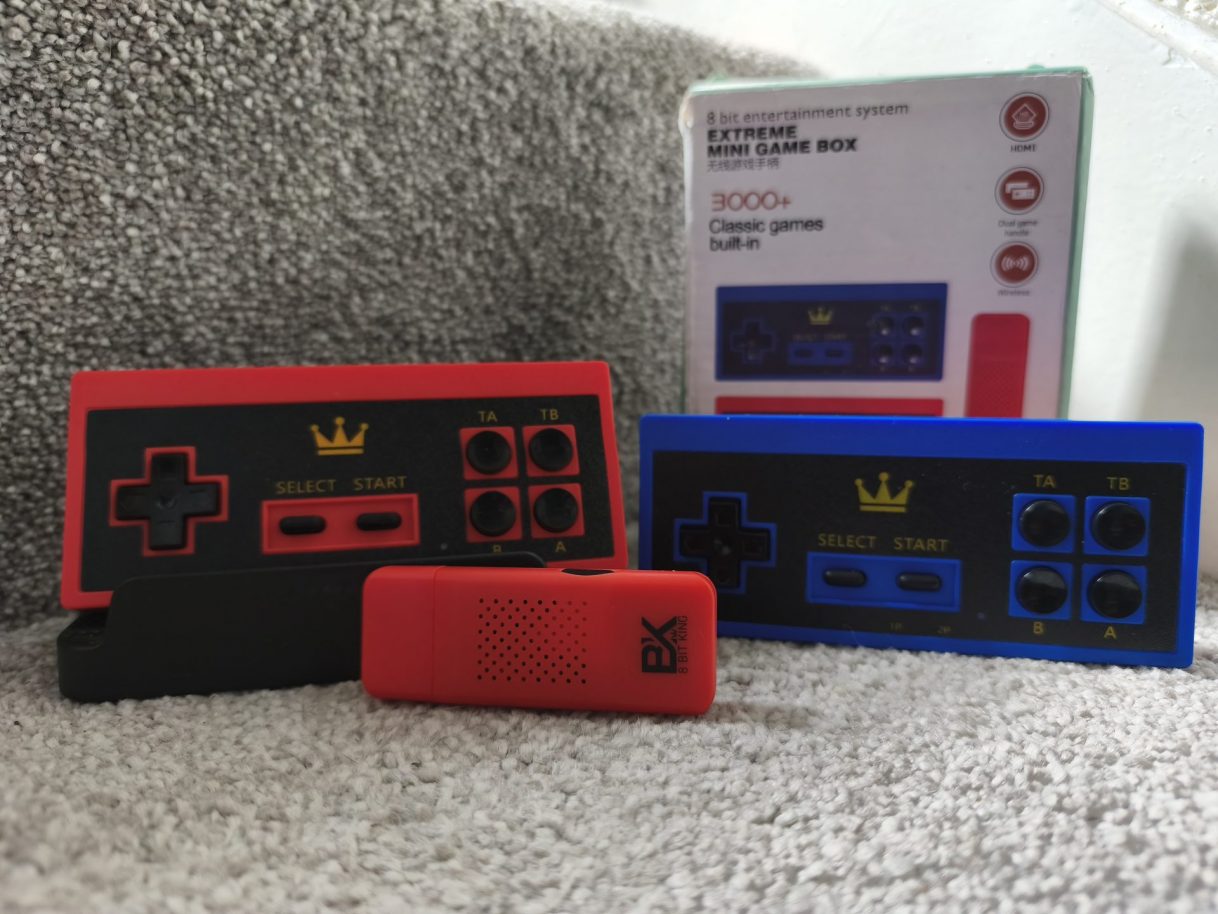
We put one of the cheapest retro gaming devices on the market to the test.
Emulation devices come in all shapes and sizes. From powerful gaming PCs to Raspberry Pis, right down to those cheap plug-and-play TV sticks you can pick up for next to nothing.
But honestly, who are these things actually for?
I mean, they only run older systems. You know, the likes of the NES, Game Boy, Game Boy Color and even the PC Engine. Hardly cutting-edge stuff these days.
It’s easy to look at them and think nobody really wants to spend their time playing these old nostalgic games from their childhood on what is essentially a tiny stick plugged into the telly, paired with wireless controllers and packed with hundreds of games.
Then again…
Wait a minute.
So you’re telling me I can play classic games from my childhood on a reasonably decent controller, without having to dig out an old CRT television or blow into cartridges to get them working?
Actually, that doesn’t sound too bad.
But How Does It Play?
Surprisingly well, as it turns out.
It’s not reinventing the wheel, and it’s certainly not packed with groundbreaking features, but it does exactly what you’d expect it to do.
And let’s be honest, a little TV stick made in the 2020s shouldn’t have much trouble emulating a Nintendo Entertainment System and other consoles from the 1980s. The NES is over 40 years old at this point.
(Now I feel old.)
The games as expected run well, the controls are responsive enough, and for the most part it delivers exactly the experience it’s supposed to.
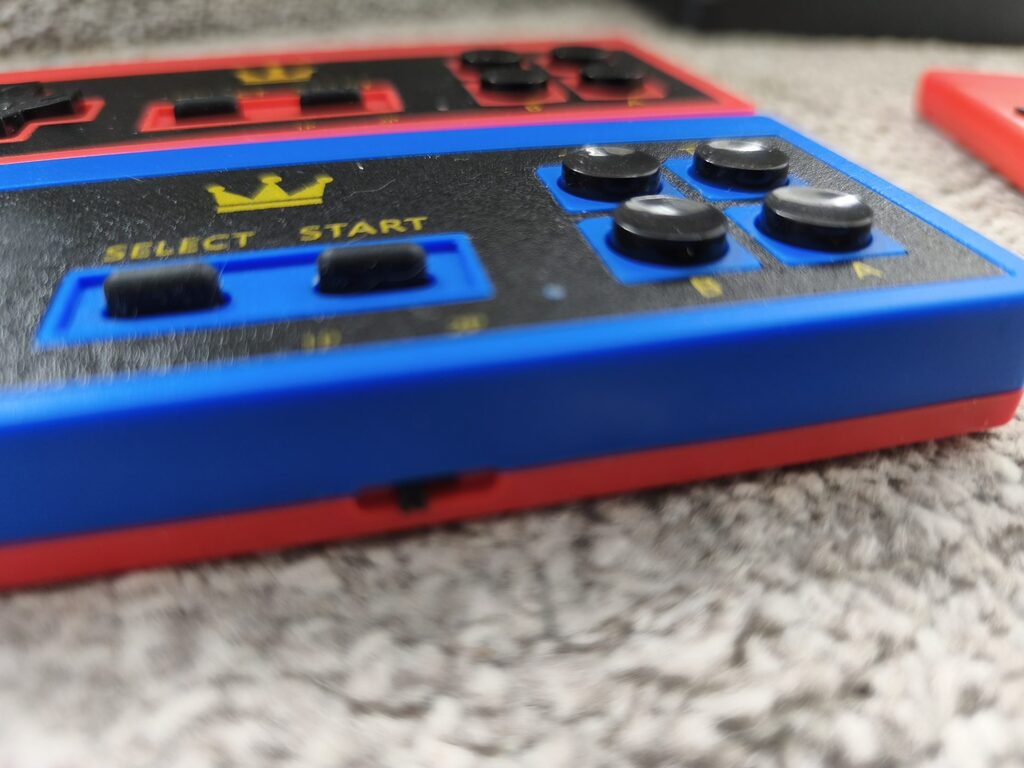
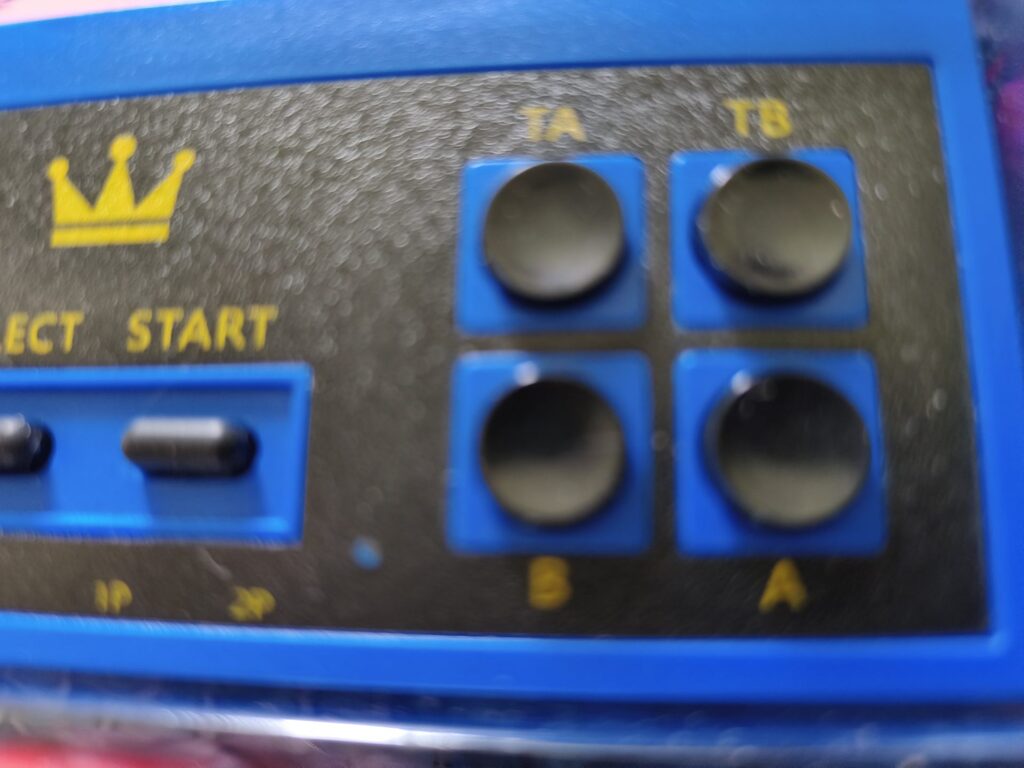
Even the wireless controllers, which I expected to be absolutely awful, are perfectly usable. No, they’re not going to replace a high-end arcade stick or premium controller, but for a quick blast of retro gaming they’re more than adequate. The D-Pad is okay, but will feel better once it has been broken in properly. The buttons are concave, of which there are four, two are turbo versions, whilst the other two are your generic A & B buttons. They also have a little switch at the bottom for toggling between player one and two.
Better Than We Had Back Then
One thing these devices do offer that the original hardware didn’t is the ability to save and load your progress whenever you like.
In that regard, I’d argue they’re actually an improvement over how we used to play.
After all, we finally have a way to say “sod off” to those infamous water levels in Teenage Mutant Ninja Turtles.
And if you’re about to tell me you enjoyed them, I’m fairly certain you’re lying.
With a quick save before a difficult section, the threat of a game over loses a lot of its power. That’s probably a good thing too, because I’m convinced those games were responsible for at least a few childhood stress-induced cardiac events.
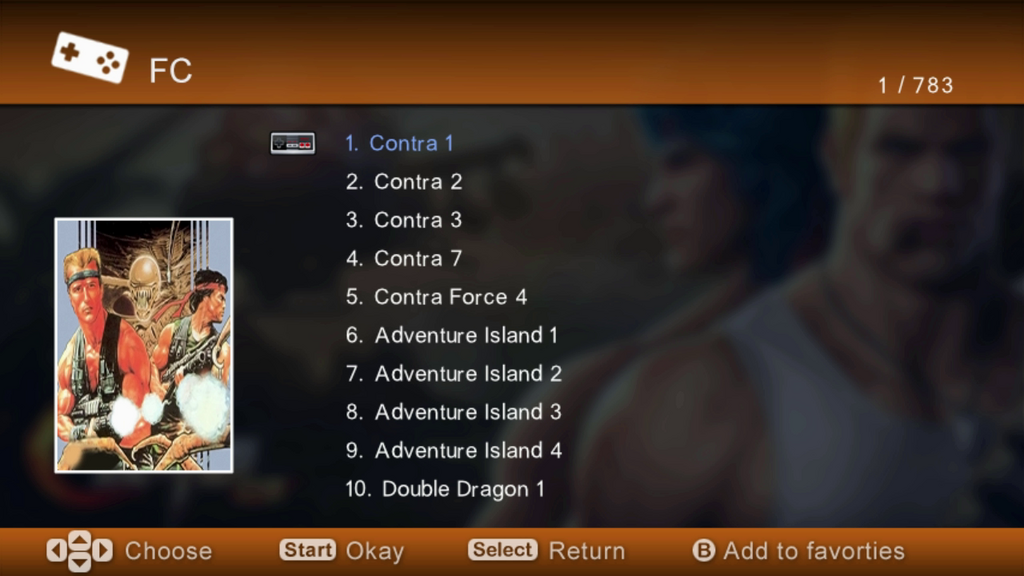
Whether it’s Super Mario Bros., Adventure Island, Double Dragon, Contra or Bubble Bobble, having save states makes many of these old-school challenges far more approachable than they were back in the day.
Better still, the stick comes bundled with two wireless controllers. That means a quick game of Contra, Bubble Bobble, Double Dragon or anything else with a mate is only a few button presses away.
Considering the whole package costs less than a McDonald’s meal, that’s not a bad deal.
More Variety Than Expected
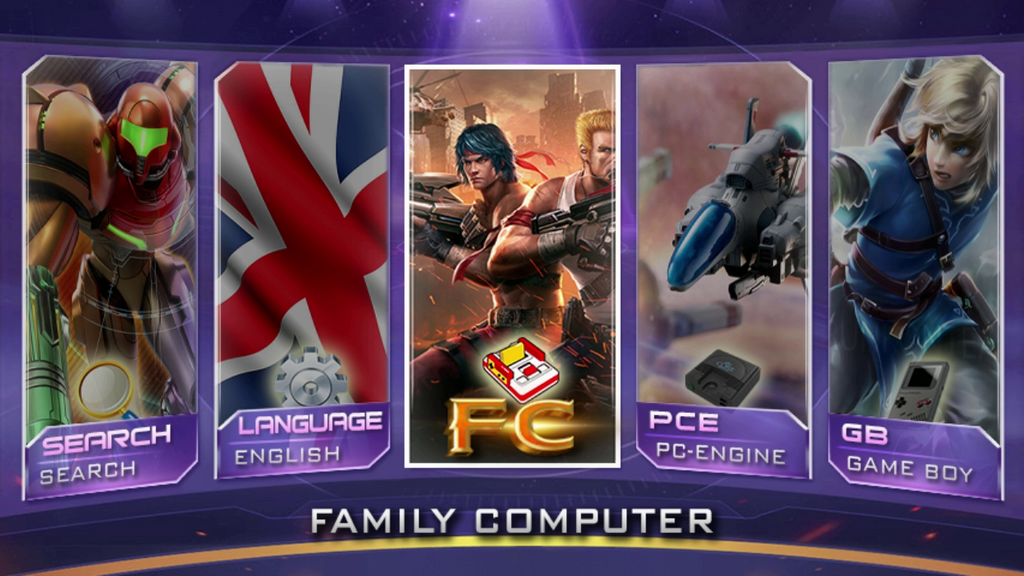
One surprise was discovering that it isn’t limited to NES games.
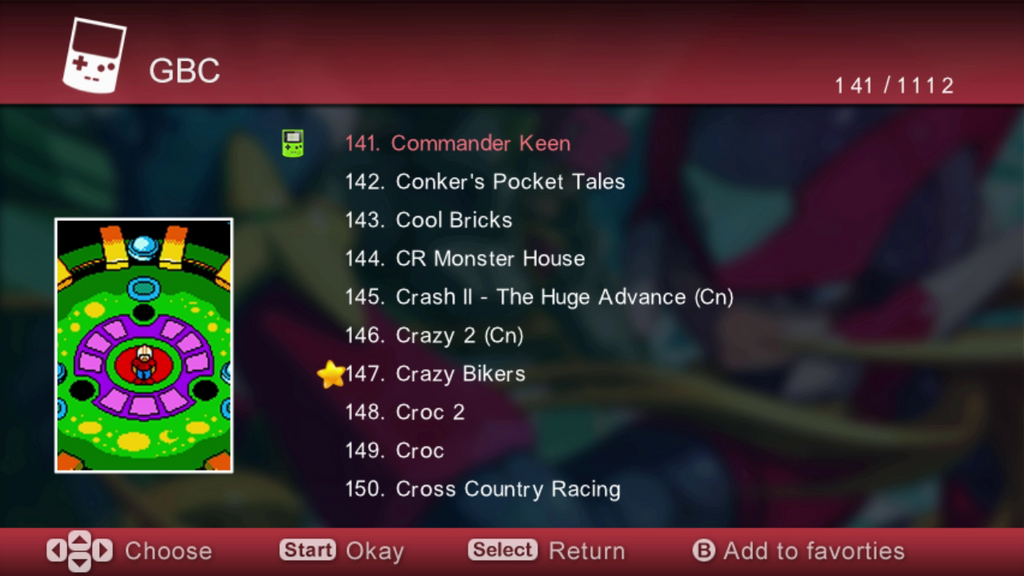
Alongside the expected Nintendo classics, the stick also includes support for the Game Boy, Game Boy Color and PC Engine. That might not sound particularly exciting to younger gamers, but retro enthusiasts will know there’s a lot of quality hidden away in those libraries.
Fancy a quick game of Super Mario Land? No problem.
Want to revisit Link’s Awakening? It’s there.
Curious about what made the PC Engine such a cult favourite in Japan? You’ve got access to one of gaming’s most underrated libraries.
As the PC Engine wasn’t particularly popular outside Japan (or the TurboGrafx-16 as it was known in America), it also gives many gamers the chance to experience some genuine classics that they may have missed first time around.
Some of these games were surprisingly impressive for the hardware and, in certain cases, offered better home conversions than you might have seen on other systems of the era.
If you’re wondering where to start, here are a few worth loading up:
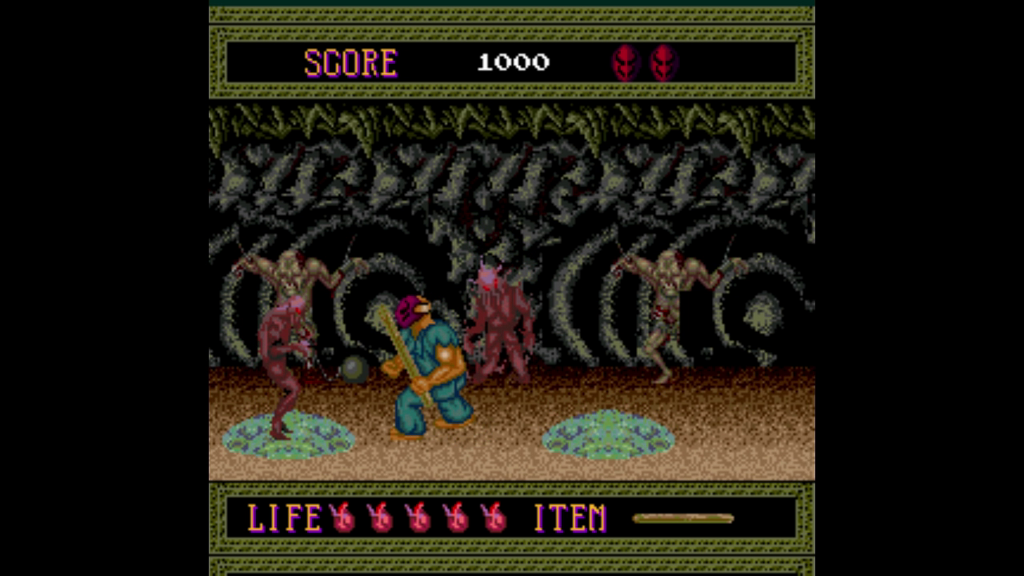
PC Engine Gems Worth Trying
- R-Type
- Bonk’s Adventure
- Splatter House
- Devil’s Crush
- Parasol Stars
- Chase H.Q.
- Gekisha Boy
- Final Lap Twin
And let’s be honest, finding a way to play PC Engine games in 2026 is a hell of a lot easier than finding somebody who actually owned one in the UK in 1991. Back then, spotting a PC Engine in the wild was about as common as seeing a unicorn riding a unicycle through Woolworths stealing the pick and mix.
NES Classics Worth Revisiting
If you’re diving into the NES library for the first time in years, these are a few games that still hold up remarkably well today, as well as the usual suspects:
- Super Mario Bros. 3
- Little Samson
- Mega Man 2
- Ivan ‘Ironman’ Stewart’s Super Off Road
- The Legend of Zelda
- Castlevania III: Dracula’s Curse
- Contra
- DuckTales
Of course, half the fun is discovering games you never owned back in the day. While everyone remembers Mario, Zelda and Mega Man, it’s often the lesser-known titles that end up stealing the most of your time.
Game Boy Classics Worth Loading Up
The Game Boy may have looked like a brick and eaten AA batteries faster than a hungry Labrador, but it was home to some genuinely fantastic games.
- Super Mario Land
- Super Mario Land 2: 6 Golden Coins
- The Legend of Zelda: Link’s Awakening
- Tetris (Great to play at anytime)
- Kirby’s Dream Land
- Metroid II: Return of Samus
- Wario Land: Super Mario Land 3
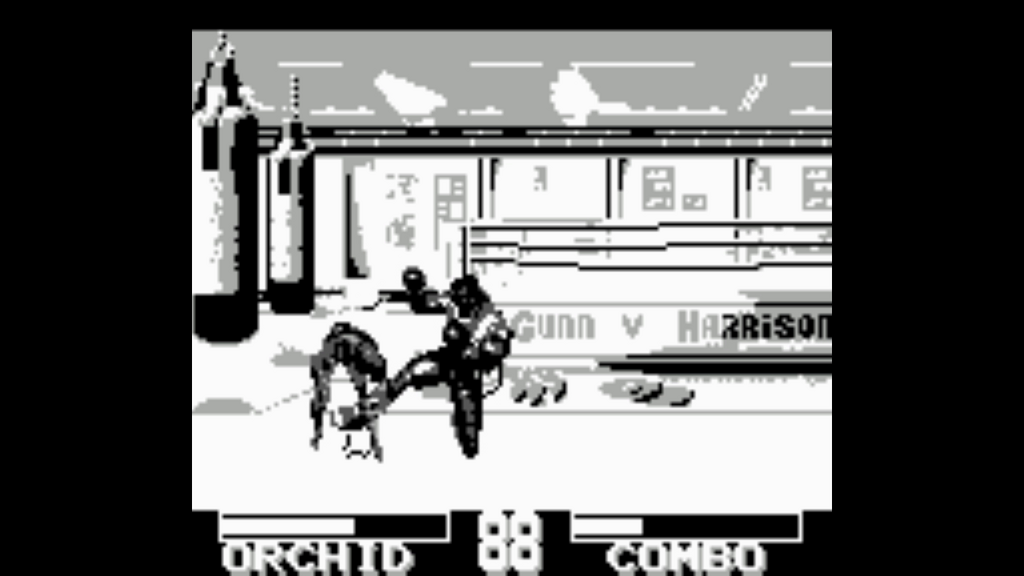
- Killer Instinct (A really impressive port)
The best thing about revisiting Game Boy games today is that you no longer have to sit under a lamp, cling to the last bit of battery life, or repeatedly adjust the screen angle just to see what was happening.
In many ways, these games are actually more enjoyable now than they were when we first played them.
Game Boy Color Games Worth Revisiting
The Game Boy Color may have looked like little more than a colourful Game Boy, but it quietly built up an impressive library of games.
- Pokémon Crystal
- The Legend of Zelda: Oracle of Ages
- The Legend of Zelda: Oracle of Seasons
- Shantae
- Metal Gear Solid
- Wario Land 3
- Mario Golf
- Qix Adventure
Unlike the original Game Boy, the Game Boy Color also removed the need to spend half your gaming session wondering whether that blurry green blob on the screen was an enemy, a power-up, or just a smudge on the display.
A Little Extra Potential?
One feature I haven’t fully tested yet is the Downloads folder included on the stick.
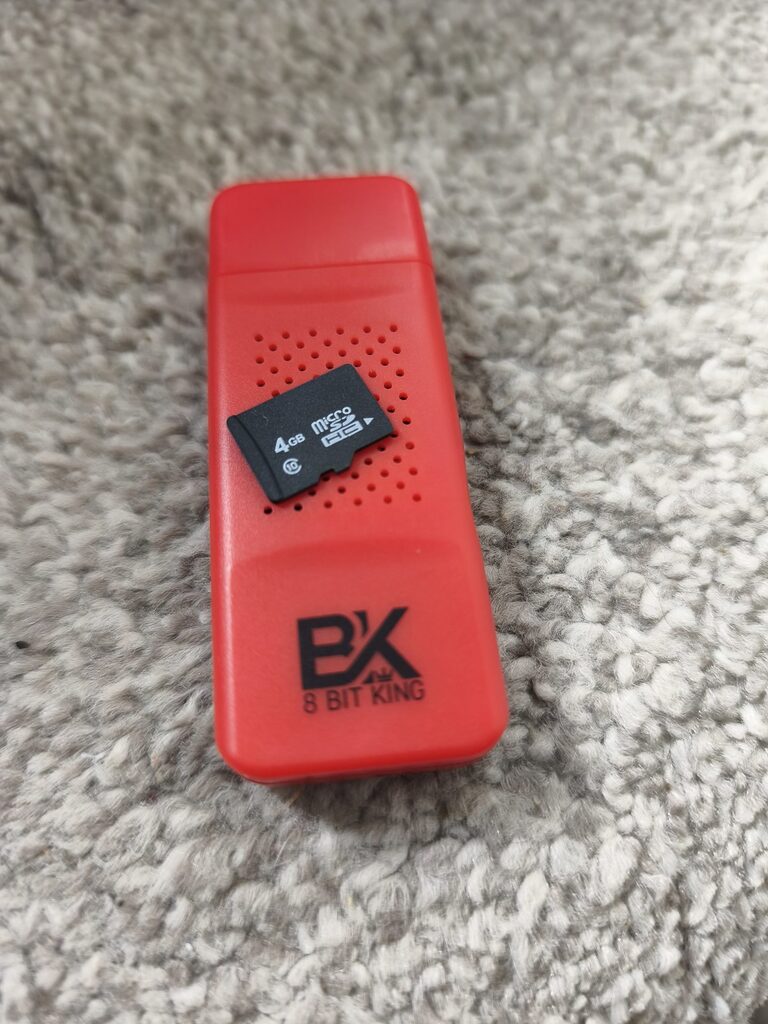
The presence of the folder suggests that it may be possible to add your own ROMs, although that’s something I’ll need to investigate further before making any promises. (Although, not actually downloading onto the stick via wifi, but dumping them via the micro sd card).
If it does work as expected, it could open the door to fan- ranslated games, homebrew releases and other titles that aren’t included as standard. That means games which never officially made it to the UK could potentially be played in English using community translation patches.
Of course, you’ll want to ensure you own the original game before going down that route, but it’s an interesting possibility and one that adds a little more flexibility to what is already a surprisingly capable little device.
With no NES or PC Engine roms ever being created to support widescreen mods the aspect ratio feels like a bit of a loss here. Sure you can make the image fit to 16:9 but that’s just stretching the screen for the sake of it, and the black borders at the side aren’t really an issue, for me at least.
Managing Expectations
Of course, these cheap little sticks aren’t going to set the emulation scene ablaze.
Nobody is going to sell their PS5, Xbox or gaming PC because they’ve discovered an £8 plug-and-play emulator loaded with retro games.
But that’s missing the point entirely.
These devices are designed to do one thing: play classic games from gaming’s early years.
Whether that’s NES classics on a big screen, Game Boy favourites from your childhood, or PC Engine gems you’ve never experienced before, that’s exactly what they’re built for.
Once you accept that, your expectations stop turning into disappointment. Instead, you start appreciating the device for what it is.
A cheap little stick, bundled with two wireless controllers, that lets you relive decades of gaming history for less than a tenner.
And when you look at it that way, it doesn’t sound half bad at all.
Will it replace a carefully curated emulation setup running on a gaming PC?
Of course not.
Will it provide an evening of nostalgia, a few laughs with friends and several hours of classic gaming for less than the price of a McDonalds meal?
Absolutely.
Verdict
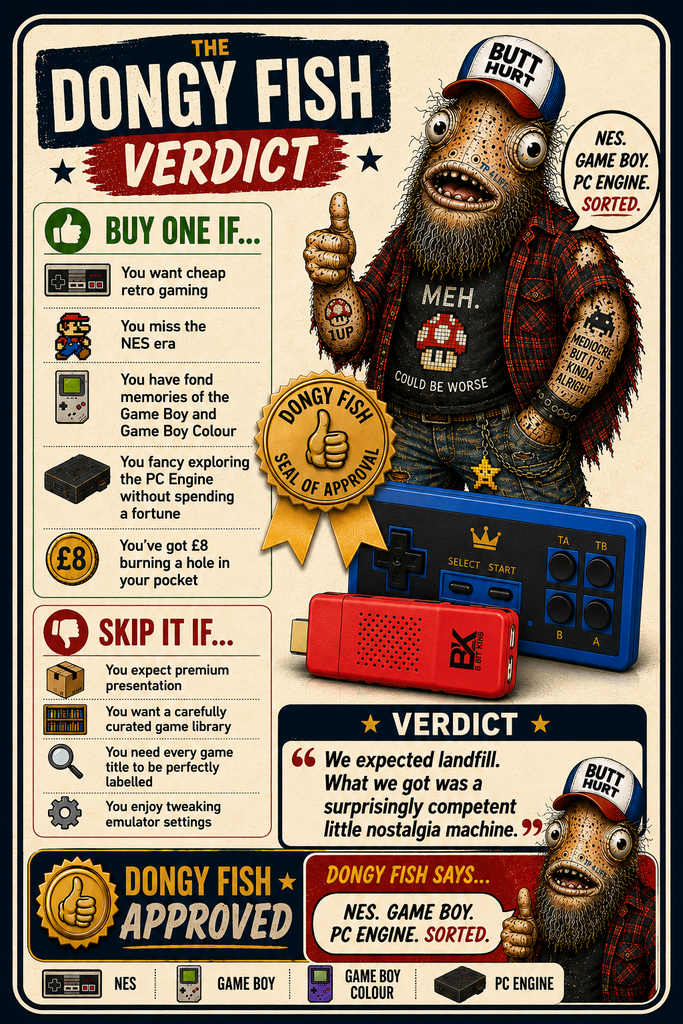
Score: 8/10 – Surprisingly Good for the Money
A cheap and cheerful little nostalgia machine that punches well above its price tag. It won’t replace a dedicated emulation setup, but for less than a tenner it’s difficult to complain.
Pros
- Cheap as chips
- Plug and play
- Supports multiple classic systems
- Includes two wireless controllers
- Save states improve the experience
- Switchable aspect ratio
- Great nostalgia factor
Cons
- Limited to older systems
- Basic compared to dedicated emulation setups
- Not for serious emulation enthusiasts
- Some of the games are homebrew or Japanese versions
- Lot’s of crap included (But can be fixed if you delete them via PC)
Pandory Magazine Verdict
Sometimes a product doesn’t need to be revolutionary to be enjoyable.
This little emulator stick isn’t trying to compete with expensive handhelds, gaming PCs or advanced emulation devices. Instead, it focuses on delivering a simple dose of retro gaming nostalgia at an incredibly low price.
For around £8, it’s difficult to argue with what you’re getting. Plug it in, pick a game and enjoy a trip back through gaming history.
Not a bad deal if you think about it.
But I’m curious—what are some of your favourite 8-bit games, and are there any you’d still happily play today?