There was a time when British seaside arcades were magical places. Before ticket redemption machines dominated the floor, you could spend an afternoon with a handful of 10p coins, discovering games you’d never seen before and trying to make every credit count.

Rhyl, 10p Pieces and a Childhood Well Spent
I was lucky enough to have family in Rhyl, so I spent a lot of time there throughout the 1980s and 1990s. For me, the arcades were a huge part of every visit.
Each arcade had its own personality. Some were dark, dingy little places tucked away down side streets, with ageing machines you wouldn’t necessarily find anywhere else. Along the main stretch, you’d find a brilliant mixture of old favourites and newer cabinets, each competing for your attention with flashing lights and electronic noise.
There was nothing quite like getting off the train, sitting on the sofa looking bored and waiting for my nan to hand me 50p, or if I was particularly lucky, a whole quid, and tell me to bugger off and go and have some fun.
Ten minutes later I’d be across the railway bridge, scoping out which arcade deserved my money.
And it really was 10p pieces, not pockets full of pounds. Every coin counted. If I picked the wrong machine then I’d be back home almost as soon as I’d arrived. Make the right choices, though, and I could be gone for ages.
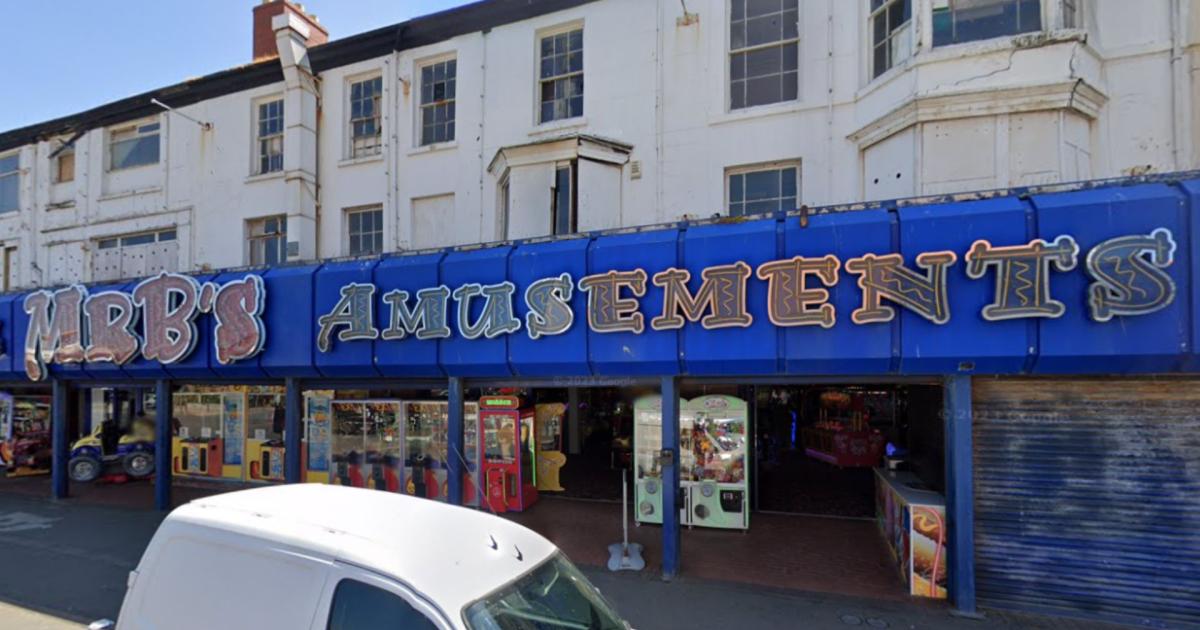
Every Arcade Was Different
That’s what made exploring Rhyl so much fun. The older cabinets in the little side-street arcades could be every bit as exciting as the latest attractions on the promenade. There was always the possibility of discovering something you’d never played before.
Arcades were also social places. You watched other people play, learned a few tricks, challenged mates and occasionally managed to make a single credit last much longer than anyone expected.
At home, you played what you owned. At the seaside, there was a whole world of games waiting to be discovered. Some Arcades splashed out on the latest huge hydralic cabinets demanding anything from 20p to a whole £1 a go. Whilst others picked up machines that would go on to be classic titles that you would look out for every visit.
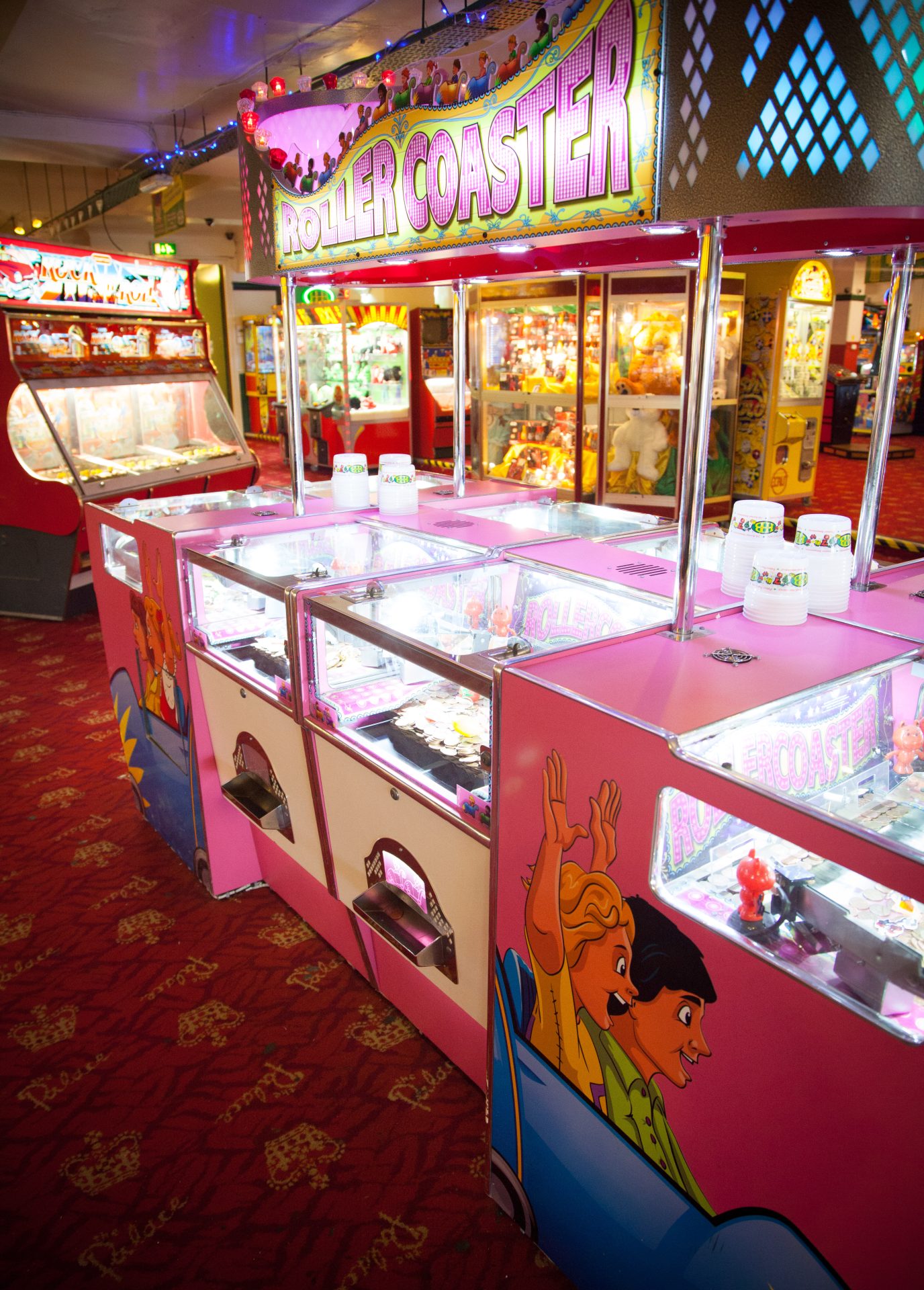
The Secret Economy of the 2p/10p Coin Pushers
Of course, when the money finally ran out, the arcade adventure wasn’t necessarily over.
Every seasoned seaside arcade kid knew there were still opportunities to be found.
The first stop was usually the 2p/10p coin pushers.
Not necessarily to play them, mind you. More often than not, it was to have a careful look around the machine to see if anyone had left any stray coins behind. You’d casually wander over after someone walked away, pretending you weren’t interested while secretly scanning every ledge, tray and corner.
Sometimes you’d find nothing.
Sometimes you’d discover a forgotten 2p or two.
And on very rare occasions, you’d strike gold and find a few which you could swap for a 10p piece at the change machine.
Getting one felt like winning the lottery.
That wasn’t sweet money. That was arcade money.
That 10p could mean another game. One more attempt at a high score. One more race. One more chance to get past that boss that had been tormenting you all afternoon.
Looking back, it’s funny how much excitement a single coin could generate. Today, most people wouldn’t even bother bending down to pick up 10p from the pavement. Back then, finding one in an arcade could completely change the rest of your day.
The sacraficial lamb
Another way to get money for a few more games if there was a group of you was to have someone accidently fall (Kick/bash the side of the machine) into one of the 10p pushers, causing coins balanced on the edges to drop and 99% of the time setting off the alarms which would then cause one of the workers to come running, which would result in the kid who booted the machine to then run off after shouting abuse at the worker getting chased.
Whilst this was happening others would then run to the coin dispensers fill their pockets with the dropped money and exit the arcade. Meeting their friend around the corner and going into a different arcade to split the money and spend their ill gotten gains.
The preferred method though during the summer season was pushing kids who were visiting on holiday into machines on occassion resulting in innocent kids getting chased or grabbed and marched out of the arcades. (Sometimes receiving a slap or two in the process). This could be done in a smaller group and we didn’t have to share anything with the kid on holiday.
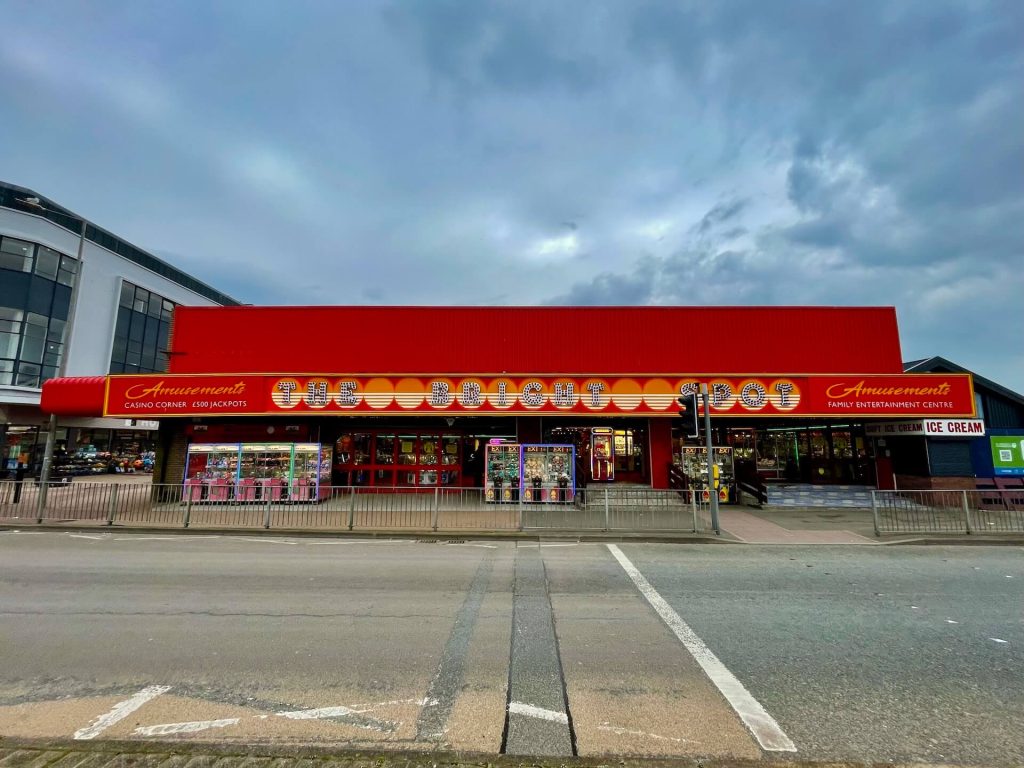
When Ticket Machines Took Centre Stage
Coin pushers and prize machines were always part of the seaside experience, but they used to share the floor with a wonderful variety of video games. Over time, the balance shifted.
Today, many amusement arcades are filled with ticket redemption machines: press a button, watch some lights flash, collect a few tickets and eventually exchange a small mountain of them for a prize that probably cost less than your first handful of credits.
It’s easy to understand why operators favour machines that bring in steady money. But when the rows of video game cabinets disappear, something else goes with them: the discovery, competition and excitement that made those arcades special.
You Can Never Really Go Back
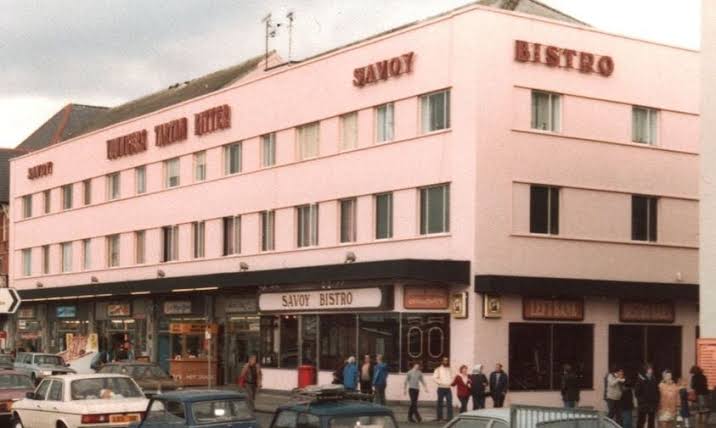
Like many British seaside towns, Rhyl today is very different from the place I remember growing up.
A return visit quickly shows how much has changed over the years. The town has declined in places, and many of the arcades that once defined the seafront have long since disappeared. Some closed their doors years ago. Others have been demolished entirely.
The railway bridge is still there. The walk is still there. The sea is still there.
But much of the world that existed on the other side of that bridge now survives only in memory.
The dark little arcades tucked away down side streets. The rows of cabinets fighting for your attention. The sounds of racing games, fighting games and shooters all competing to be heard above one another. The excitement of trying to make a handful of coins last an entire afternoon.
For those of us who grew up there, or spent countless weekends and school holidays visiting family, it feels like losing a small piece of our childhood.
Thankfully, not everything has disappeared.
One place that has stood the test of time is Sidoli’s. Its traditional Italian ice cream, made to a recipe with more than a century of history, still tastes every bit as good to me today as it did back in the 1980s and 1990s.
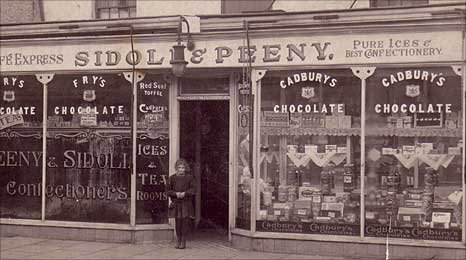
Some things change. Some things vanish completely.
But sitting with a Sidoli’s ice cream on a sunny day, it’s still possible to catch a glimpse of the Rhyl many of us remember.
The arcades may be mostly gone, (some physically, some now just all ticket machines and fruit machines) but the memories remain.
And in those memories, there will always be a kid carrying a handful of coins, hurrying across the railway bridge, wondering which new arcade game he’s going to get to play first.